
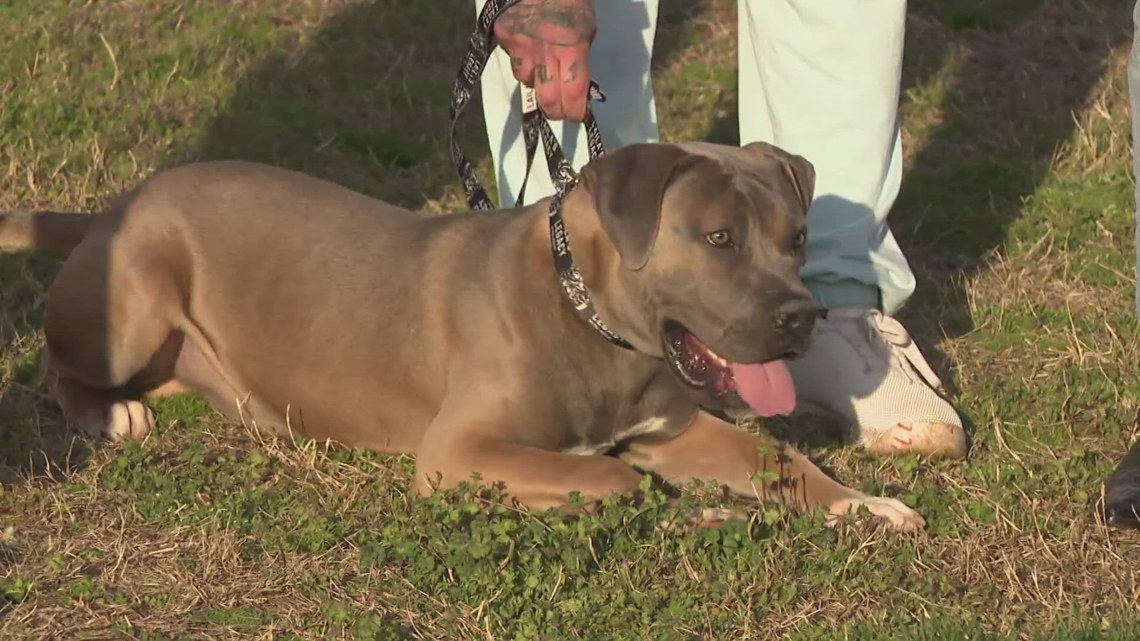
The proposed legislation could help recover millions of pounds of pet food to feed shelter animals.
WASHINGTON — Newly proposed legislation would incentivize pet supply companies to donate usable leftover food to animal shelters as the organizations face rising operational costs.
The Bring Animals Relief and Kibble (BARK) Act was proposed by Rep. Jamie Raskin (MD-08), Co-Chair of the Congressional Animal Protection Caucus, and Rep. Young Kim (CA-40). Senators Raphael Warnock (D-GA) and Thom Tillis (R-NC) are introducing companion legislation in the Senate.
The bipartisan legislation could help recover millions of pounds of pet food to help feed shelter animals, and it would make it easier to donate beds, blankets, crates, leashes, toys and more gear for animals in need.
“Every day, viable pet food goes to waste and blankets, crates and other supplies end up in the trash,” said Raskin. “Our legislation helps suppliers and people donate leftover food and supplies rather than toss them out. I’m glad to partner with Rep. Kim to ensure perfectly good pet supplies go to shelter animals in need.”
Raskin says the legislation is especially crucial as animal shelters face rising operational costs.
Sally Tom lives in Silver Spring and reached out to Raskin after seeing bags of pet food trashed by retailers.
“I’ve seen the bags of perfectly usable pet foods that retailers put in the trash—all of which could benefit an animal in a shelter,” said Tom. “After taking this problem to my Congressman, Jamie Raskin, he immediately crafted the BARK Act to help pet retail stores send shelters, rescue groups, and most importantly, millions of hungry animals the food they need. Let’s rescue food for the rescues!”
Maggie Garrett, vice president of federal affairs for the ASPCA, believes the bill will help shelters across the country that are not only facing rising costs but capacity issues.
“This bill will help shelters across the country who are facing an ongoing capacity crisis, caused by animals staying in shelters longer, staffing and veterinary shortages, and an increase in the number of animals with significant medical and behavioral needs,” said Garrett.
The BARK Act has been endorsed by Best Friends Animal Society, Pet Food Institute, ASPCA, Humane World Action Fund, and Maryland Nonprofits.
RELATED: ‘It’s a lovely feeling’ | Humane Rescue Alliance thriving after winter adoption crisis
RELATED: Scammers preying on owners of lost pets, Maryland attorney general warns
link


More Stories
Sweet Gray Cat Abandoned at Petco Making Biscuits in His Carrier Has People Emotional
Proposed city ordinance would ban sale of dogs, cats in pet stores
Breaking: In major blow to puppy mills, New York ends the sale of puppies in pet stores