


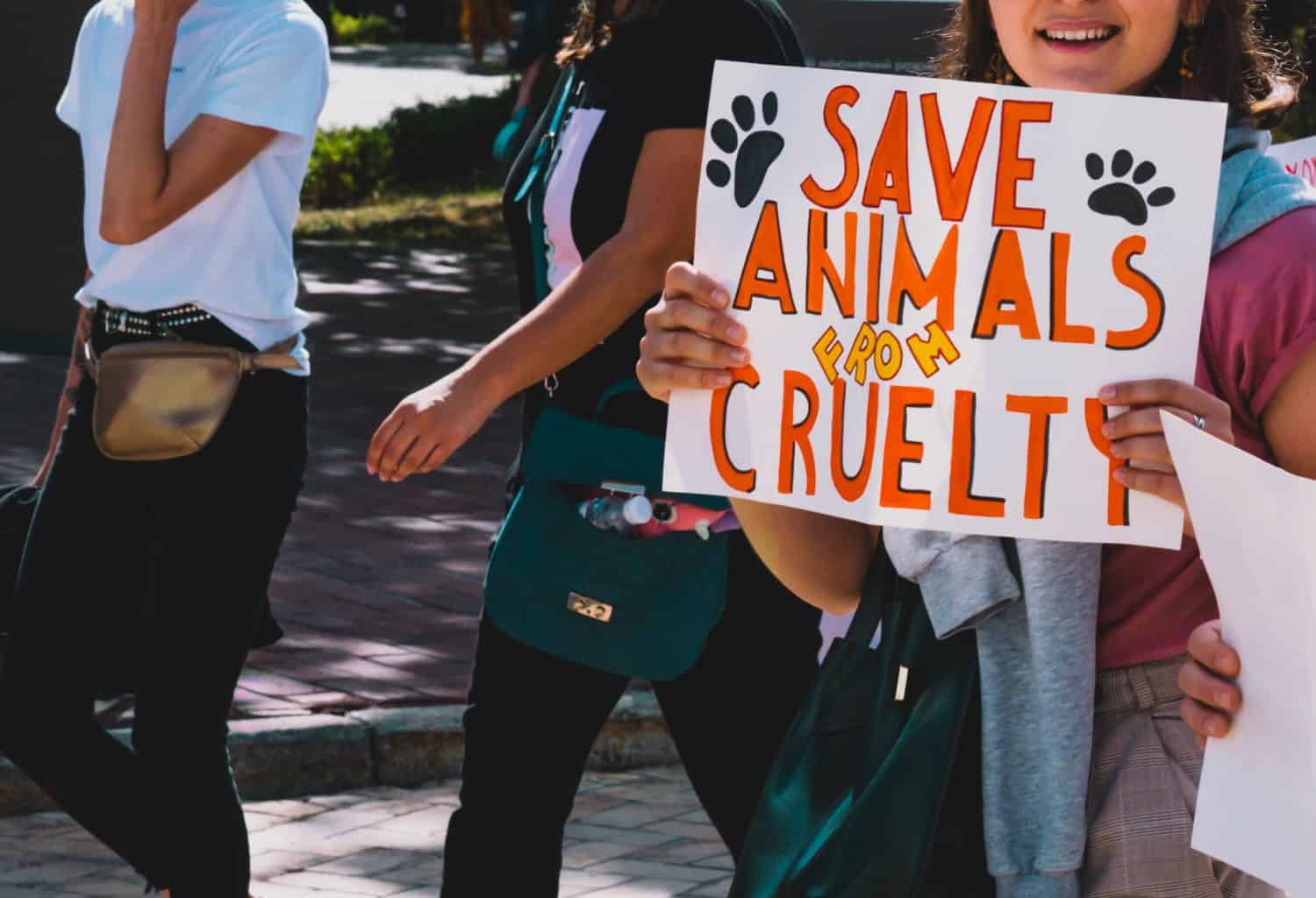
Quick Take
- Animal rights wins in 2025 include Poland banning fur farming, with no new farms and a phaseout of existing ones.
- West Hollywood bans sale of most live animals in pet stores, promoting adoption and shelter-first approaches.
- California restricts third-party pet brokers and bans cat declawing unless medically necessary, shifting sales to breeders or shelters.
If you’ve followed animal advocacy long enough, the past year stands apart from many prior years in terms of what’s been accomplished. Governments put real policy behind multiple long-running campaigns, and wildlife enforcement agencies have more power than ever. And that’s just scratching the surface of the wins we’ve experienced for animals in a year that hasn’t been the kindest overall.
What’s happened in the world of animal rights this year? What are the biggest wins we’ve witnessed, and just how many of these wins spell more change on the horizon? There may be more than you realize, which is why we’ve compiled an informative piece on all of the most recent victories for animals and humans alike.
These are the laws, enforcement moves, activism, and conservation protections happening now, plus what activists are most excited about heading into next year. Ring in the New Year with these wins!
Poland’s Fur Farming Ban


Minks are prized for their fur in fur production, but Poland is changing the game.
©Cergios/Shutterstock.com
Poland, one of Europe’s largest fur producers, recently made fur farming illegal. The law’s specific timeline noted that no new fur farms can be established once it takes effect, which is a huge win. In addition, all existing farms are beginning a phaseout process, making this landmark decision a major shift for a country that has relied on fur for some time.
Animal advocates claim the move as a landmark victory. As major fur producers pull the plug, it becomes harder for the industry as a whole to pretend the practice is safe and humane. Poland joins a growing list of European countries banning fur farming, including Austria, the Netherlands, and the UK, so time will tell what other countries join its ranks.
Humane Pet Sales Momentum

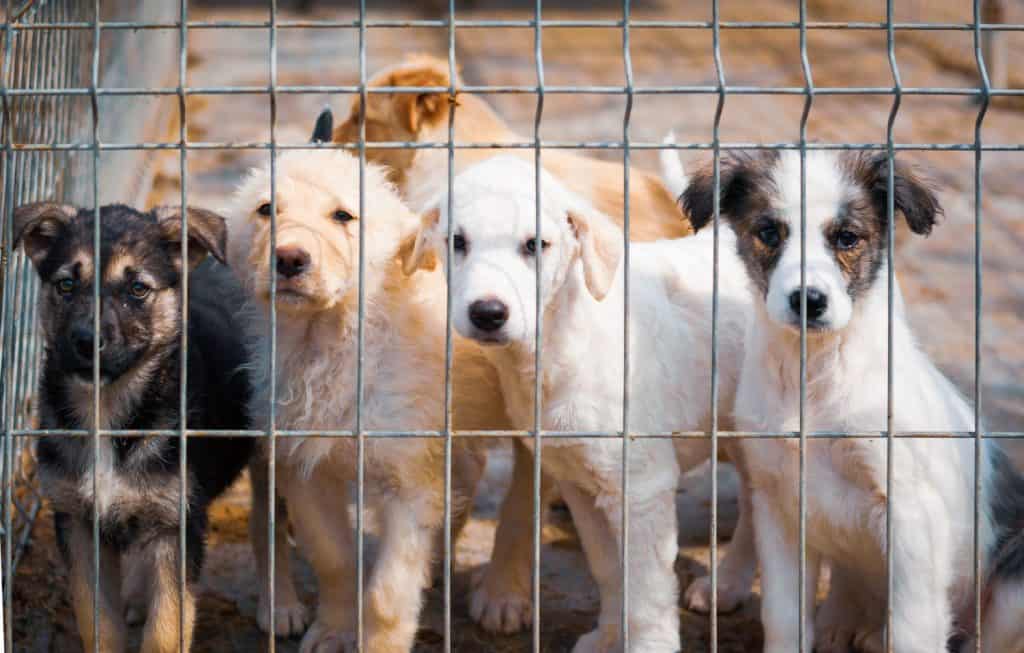
West Hollywood banned pet stores from selling live animals, with adherence to the law set for May 2026.
©bdavid32/Shutterstock.com
The past year brought a steady march of policies that help pet adoptions and humane pet sales. West Hollywood is one of the standouts in this process, as they expanded restrictions on humane selling practices. An ordinance passed, banning pet stores from selling most live animals beginning May 1, 2026.
What makes this win especially important is that it’s spelled out clearly and is designed to be easily adopted by other cities or states. Legal figures named it a notable step in the growing humane pet sales movement, putting adoptions and shelters front and center over pet store purchases.
California, Cat Declawing, and Puppy Mills
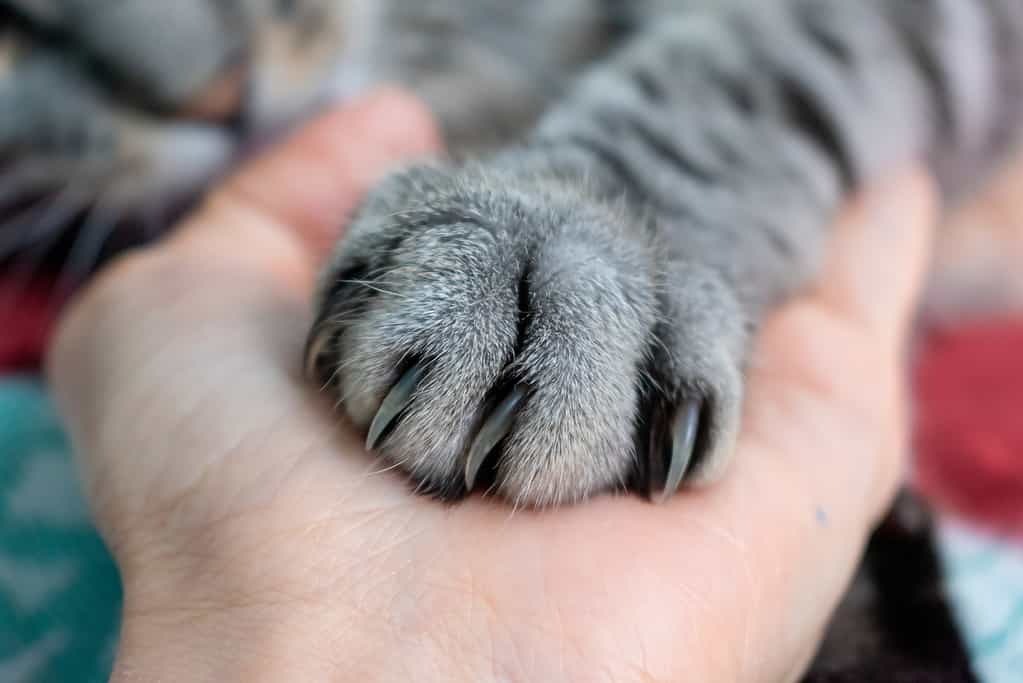
Cat declawing must now be considered medically necessary in California.
©Iana Kunitsa/iStock via Getty Images
California’s recent changes aren’t just limited to pet stores in West Hollywood. In an October 9, 2025 release, a measure was passed to curb third-party pet brokers, alongside another ban involving cat declawing. The state passed AB 867, banning cat declawing unless medically necessary, and AB 519, restricting third-party pet brokers. These measures are set to take effect in 2026.
Advocacy groups said the measure is a system fix, going deeper than many measures attempted in the past. The entire state is limiting sales to animals sourced directly from breeders or from shelters and rescues, making it harder for high-volume breeding to hide and continue to mistreat animals.
Switzerland’s Labeling of Animal Products

Switzerland now requires labeling of animal products if they were made in inhumane ways.
©kavalenkava/Shutterstock.com
In another win for animal rights, Switzerland adopted mandatory labeling for animal products tied to certain painful procedures and force-feeding, bringing this reality out of activist circles and into modern life, listing these harms on basic packaging and menus.
Switzerland’s Federal Council adopted these ordinance amendments on May 28, 2025 and labeling implementation began in July 2025. They now require labeling when meat, eggs, or milk come from animals that underwent certain painful procedures without anesthesia, and it also adds mandatory labeling to fois gras. In many ways, the policy is the first of its kind, making cruelty harder to ignore at the point of purchase.
Animal Testing Reform
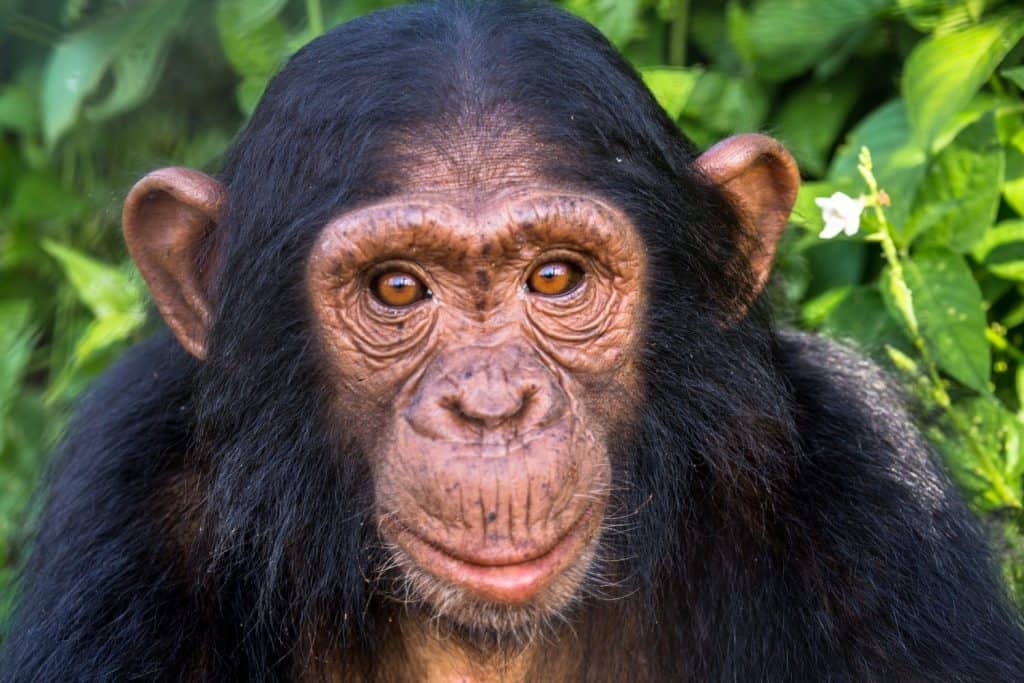
The FDA is moving away from testing medicines on primates.
©Alexwilko/Shutterstock.com
Animal testing is changing, and for the better. In the UK, the government announced a strategy and funding to accelerate non-animal testing methods, including accelerating efforts to replace animal research.
In the U.S., the FDA also has changes in the works. As of April 2025, there are plans to reduce, refine, or potentially replace certain animal testing requirements with new methodologies, and a more recent FDA update from December 2, 2025 signaled continued movement specifically on reducing primate testing for antibodies.
Global Wildlife Trafficking Crackdown

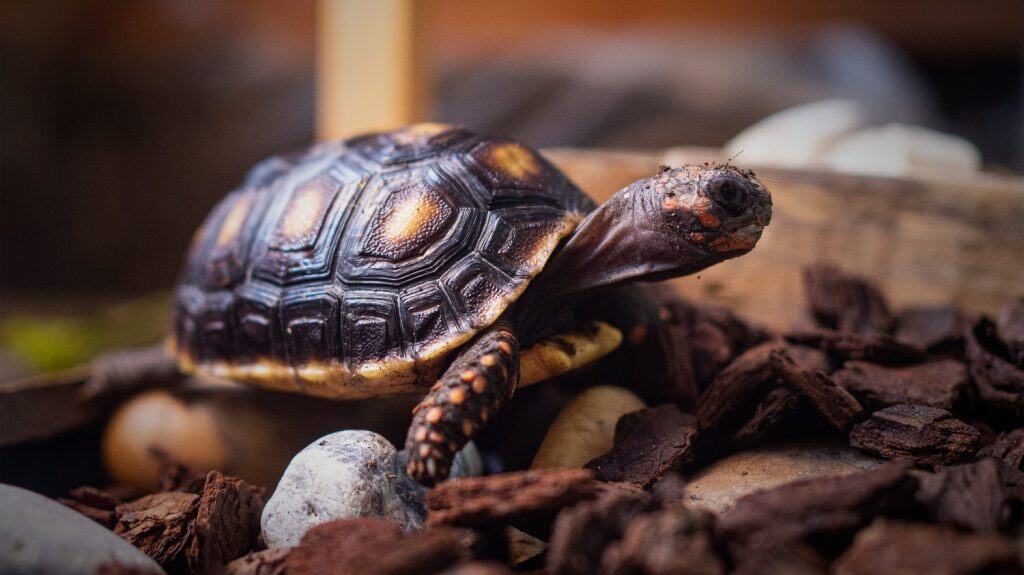
Tortoises are just one example of the many animals involved in Operation Thunder 2025.
©fullframes/Shutterstock.com
You may not have heard about Operation Thunder 2025, but it was a month-long international crackdown coordinated by INTERPOL and the World Customs Organization. The agency reported nearly 30,000 live animals seized across 134 countries during the monthlong operation window. The diversity of trafficked species was vast, and the seizure was wildly successful.
Advocates praised just how many seizures were tied to the exotic pet trade and why international coordination is vital when trafficking routes cross borders. This crackdown showed just how many species, both animal and plant, are stolen and transported without a trace, forcing governments to pay closer attention to the industry in general.
Habitat Protection and Wildlife Rights

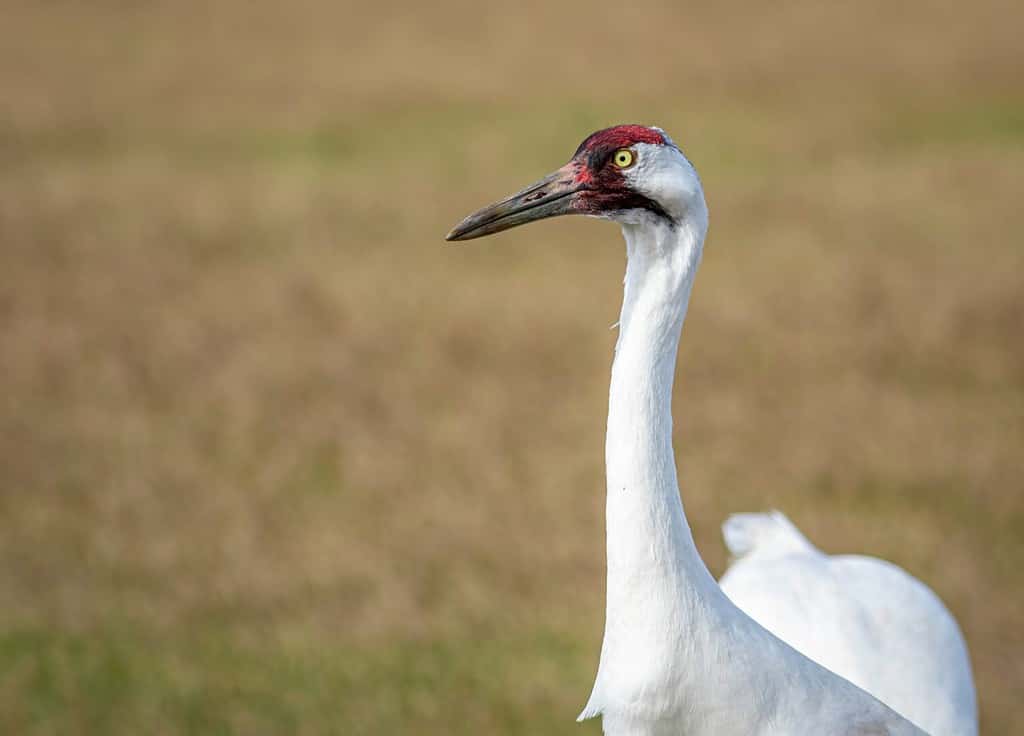
The endangered whooping crane is getting its own sanctuary in Texas.
©Matthew Jolley/Shutterstock.com
Along the Texas coast, the International Crane Foundation took ownership of a new protected property. The International Crane Foundation continues its conservation work along the Texas coast to protect endangered whooping cranes and other birds in this diverse region.
Internationally, Chile also delivered another big conservation win. Cape Froward National Park has plans to create a new park on the Brunswick Peninsula, designed to protect endangered wildlife and unique ecosystems. This development is supported by a major land donation tied to Rewilding Chile, making it a bigger win than many realize.
Cage-Free Progress
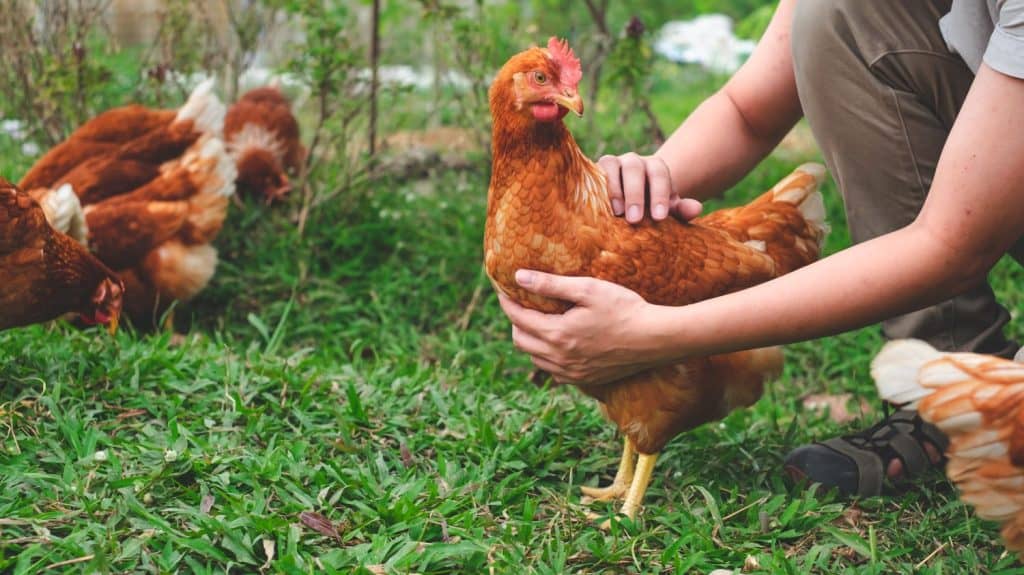
Cage-free eggs are becoming the standard, thanks to multiple shifts in animal advocacy.
©CardIrin/Shutterstock.com
The cage-free egg boom is going strong, and the numbers are rolling in to support it. Industry data from United Egg Producers’ Facts & Stats page reported that organic and cage-free shell egg production accounted for 42.1% of the U.S. table egg layer flock as of February 2025. Additionally, cage-free stock shares climbed during 2025, making it a major welfare gain for investors and chickens alike.
What Activists Are Watching Next Year
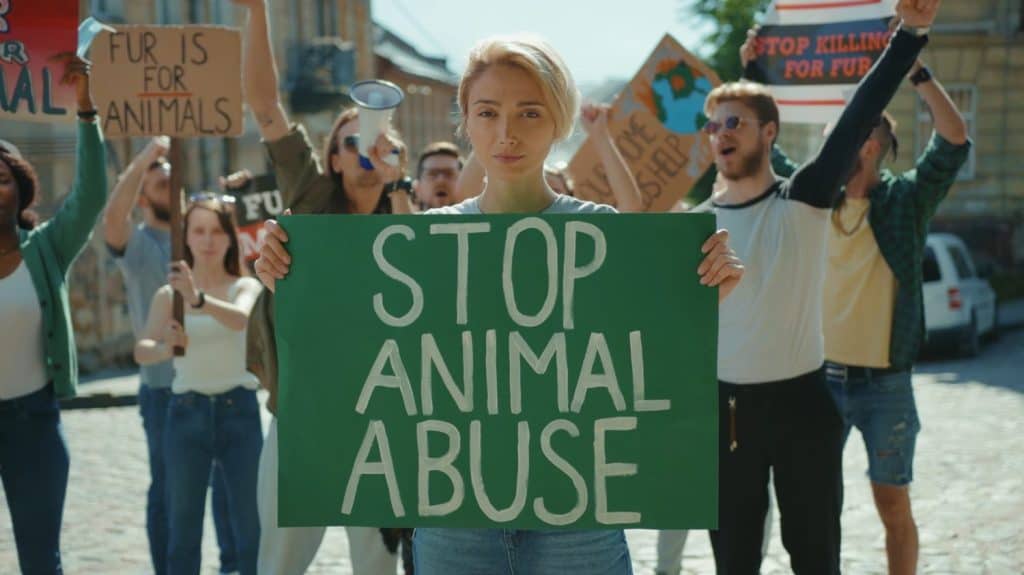
There are many animal rights wins just on the horizon, so 2026 may see even more changes.
©Fractal Pictures/Shutterstock.com
2026 is on the horizon, and activists are paying close attention to a number of potential wins thanks to the successes of 2025. Here are some of the animal rights changes that may be forthcoming, depending on the industries and countries involved.
Expanding Fur Industry Restrictions Across Europe
After Poland, the next question is whether the rest of Europe moves to a broader policy that ends fur farming, and potentially even the fur trade in general. The “Fur Free Europe” campaign was born through a public petition, with organizers collecting more than 1.5 million valid signatures. The initiative calls for EU action on fur production and related trade, and now more follow-through is needed.
A legislative proposal, a timeline, fewer loopholes, and concrete adherence to the rights of animals is necessary to see this initiative as successful. Animal rights activists in Europe are doing their part, so we’ll see how this story develops in 2026.
Humane Pet Sales as Industry Standard
Advocates for humane pet sales want more states and counties to adopt broader retail bans modeled after places like West Hollywood. The reason is simple: if the local policy is clear and enforceable, it’s easier for other cities to copy it.
The prevalence of online marketplaces also makes it incredibly easy to sell animals with no transparency. Next year, advocates will be watching whether other states borrow the same policies as California. Another side effect they’re hoping for is that the default consumer mindset moves away from pet store purchases and toward adoption or truly responsible, transparent breeding.
Further Reductions in Animal Testing

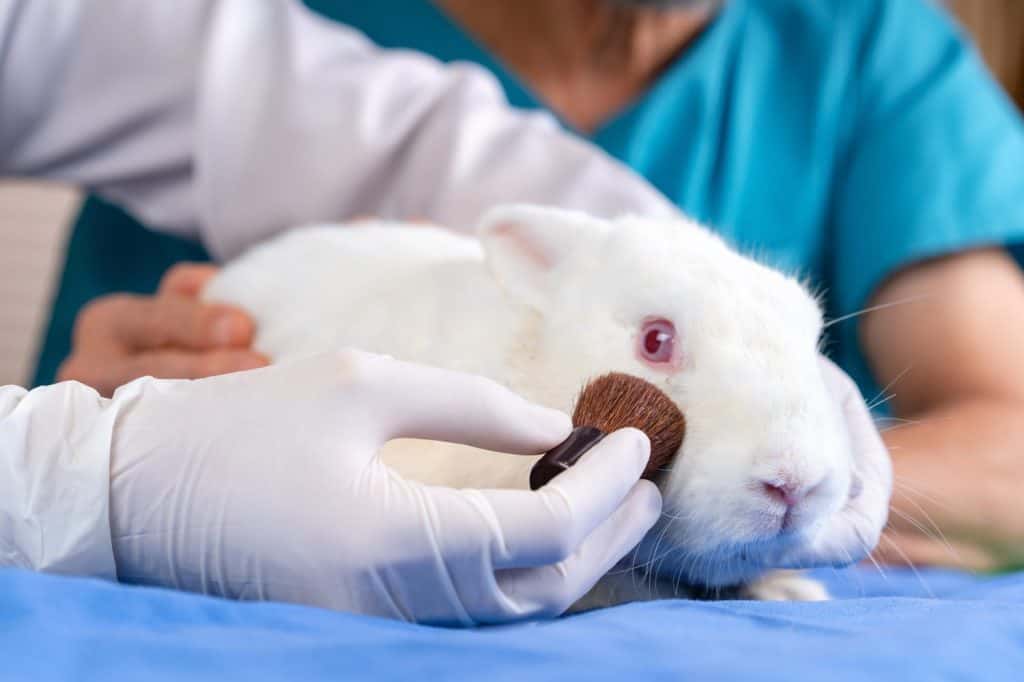
Animal testing may experience further changes for the better in 2026.
©PlNA/Shutterstock.com
The UK and U.S. changing certain things about animal testing created a new kind of activist focus: accountability. While it’s easy enough to talk about limiting animal testing, the hard part is turning that talk into guidance, incentives, training, funding, and deadlines that actually change lab and business behaviors.
In the UK, advocates will be watching funding to ensure it reaches the researchers that are actively building alternatives. And in the U.S., all eyes will be on how widely alternative methods get accepted in filings, hoping for a standard, set expectation for specific classes of tests. The less animals involved, the better.
Animal Product Transparency Beyond Switzerland
Switzerland’s labeling change gave advocates a new kind of hope: you don’t have to outlaw a practice immediately to undermine it. Consumer pressure is more valuable than many corporations realize, and Switzerland’s choice of labels is proving it.
Next year, activists are likely to pitch similar labeling laws elsewhere in the world, especially for products that many consumers would reject if they were plainly stated.
Moving Beyond Cage-Free Wins
While the current cage-free progress is a big deal, many advocates see it as a first step. Next year, we may witness much more focus on areas like broiler chicken welfare, chick-culling prevention using new technology, and even aquatic animal welfare, as shrimp and other shellfish continue to pop up in harmful situations.
Once welfare expectations become measurable and trackable, pressure can be applied at scale through corporate commitments, certifications, procurement policies, and even distinct laws. This is potentially a big, potentially global change on the docket in 2026.
Wildlife Crime Efficiency and Regulation
Operation Thunder 2025 is the kind of win advocates want to see repeated until true laws and accountability exist. In 2026, activists will be watching for more follow-through after the success of Operation Thunder. There will likely be calls to action for prosecutions that stick, additional penalties, improved border and customs coordination, and sustained attention on the exotic pet trade as a major driver of these illegal actions.
The true win next year is less about one dramatic seizure, like Operation Thunder. It will be more about making the exotic pet trade business model riskier and less profitable over time, which should contribute to lasting results.
2026 May Be a Big Year for Animal Rights Activism

Animals around the world may have greater protections in 2026, but only time will tell.
©New Africa/Shutterstock.com
2026 holds a great deal of promise for activists and conservation groups. They will likely push for more animal protections across the board, building on the momentum and successes 2025 showed us all.
At the end of the day, advocates aren’t chasing small victories anymore. They’re trying to change the defaults, shift what’s normal, what’s profitable, what’s acceptable, and what those in charge expect. Activists and average animal lovers alike are done doing what corporations and those in charge claim to be right. What’s right helps animals survive and thrive, full stop.
link