
Further, the $25 million figure is likely an underestimate, as the study notes that only about 3% of animal welfare cases are submitted to a government body.
Ultimately, the study recommends prohibiting the third-party sales of dogs and cats statewide, which would include banning the sale of puppies and kittens in pet stores. “Think about the benefits consumers could reap if there were not excessive veterinarian bills going towards sick animals, exorbitant interest rates on loans, and other predatory actions from either credit card non-bank lenders or brokers and retailers,” the study said. Eight states and over 515 localities have already banned the sale of puppies in pet shops.
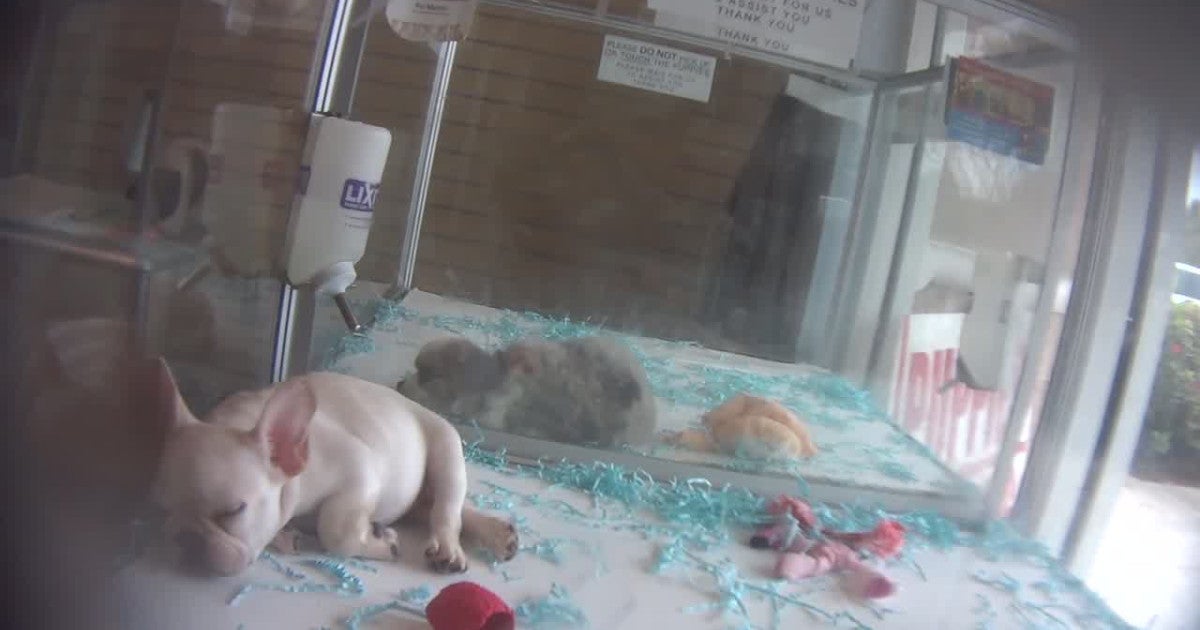
Among the pet stores most guilty of these offenses is—surprise, surprise—Petland, which the study characterizes as “the primary retailer in deceptive practices, with broad marketing reach and frequent consumer complaints.”
We helped the Haas Center by providing consumer complaints received through our Puppy Buyer Complaint Form. We knew that Florida is a hot spot for these problems: When we published our 15 year summary of over 7,000 puppy buyer complaints we received, Florida was at the top of the list of states with complaints about pet store puppies. The study also cites one of our biggest wins (and biggest battles) a few years ago, advocating for the successful passage of the Orange County ordinance banning the sale of dogs and cats in pet shops. After the ordinance took effect, the Office of the Attorney General secured over $200,000 in consumer relief from the Petland franchise, and pet buyer complaints dropped by 55%.
It’s clear that the public supports prohibiting the sale of puppies in pet stores. Since 2010, Florida has passed an astounding 87 local ordinances that prohibit the sale of puppies (and often kittens) in pet stores, including in large areas such as Miami Beach, Palm Beach and Fort Lauderdale, and many counties, including Sarasota County, Manatee County, and Palm Beach County. The study also recommends regulating online and remote pet sales on the state level.
Yet some Florida lawmakers, spurred on by misleading messaging by groups that profit from puppy mills, like the Petland and the Pet Advocacy Network, have tried repeatedly to pass a statewide law that would block local control, overturning the dozens of ordinances that have already passed across Florida, and deliberately upending the will of the people.
But there is simply no justification for the pet stores to continue selling dogs, nor for the puppy mill industry to continue. Economically, the gross regional product for pet supplies retailers in states that enacted retail sales bans of dogs, continued to grow, indicating that, as the study put it, “consumer protection can coexist with healthy commerce.” The money squandered because of deceptive pet sales could go toward producing more jobs, income and tax revenue on other goods and services that benefit, rather than harm, the public, the study says.
For people looking to add a dog to their family, there’s no shortage of wonderful animals waiting for homes. Figures compiled by Shelter Animals Count show that only 57% of dogs entering shelters and rescue organizations in 2024 were adopted; 29% of all dogs in shelters that year were puppies under five months of age.
If you want to add a pup to your family, there are so many humane ways to do this without supporting puppy mills; read more about how to get a puppy from a responsible source.
Kitty Block is president and CEO of Humane World for Animals. Follow Kitty Block.
link




More Stories
Sweet Gray Cat Abandoned at Petco Making Biscuits in His Carrier Has People Emotional
Proposed city ordinance would ban sale of dogs, cats in pet stores
Breaking: In major blow to puppy mills, New York ends the sale of puppies in pet stores